
As August 1st and 2nd, 2026 approach, the Route du Champagne en Fête is set to illuminate the Côte des Bar and Haute-Marne, a territory still little known but rich in viticultural heritage. This unique event, now a must-see in the Champagne wine tourism calendar, offers visitors each year the opportunity to dive into the heart of a vibrant vineyard, rich in stories and flavors.
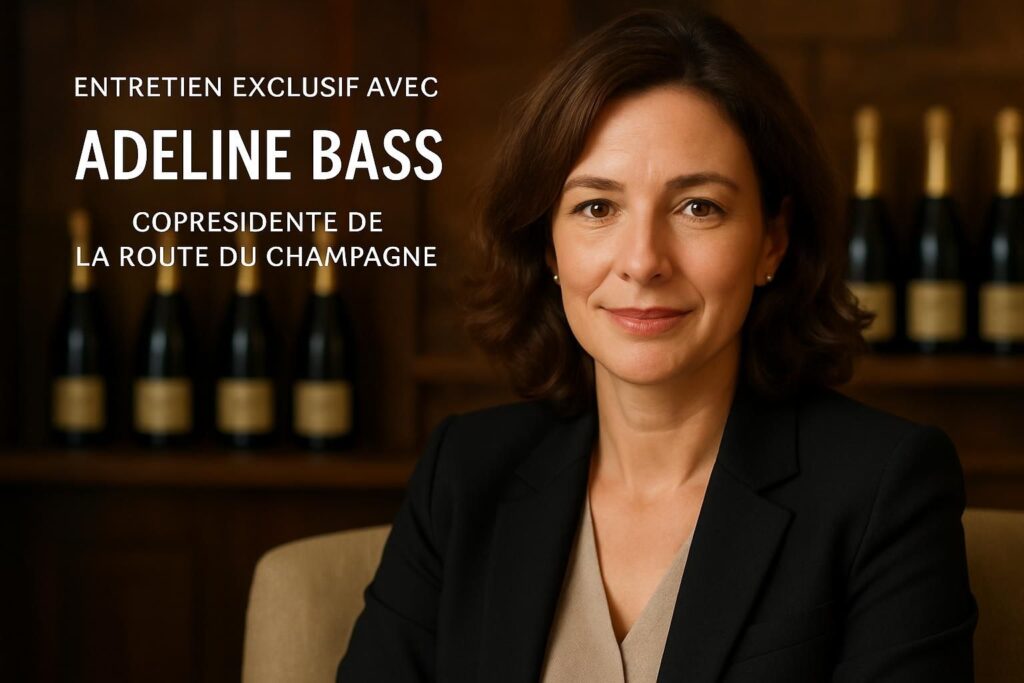
The Route du Champagne is not limited to a simple tasting: it is above all a bridge between passionate winemakers and a curious public eager to immerse themselves in the authenticity of the landscapes, terroirs, and traditional practices. This edition, under the aegis of Adeline Bass, co-president of the event, promises an in-depth experience, synonymous with multiple discoveries and intensely human encounters. In this exclusive interview, she speaks about the involvement of the winemakers, the impact on local notoriety, and the diversity of champagnes offered throughout the ten participating villages.
The deep reasons behind Adeline Bass’s commitment to the Route du Champagne en Fête
The association organized around the Route du Champagne draws its originality from the direct involvement of winemakers who, through their passion and know-how, breathe remarkable dynamism into the Côte des Bar territory. Adeline Bass, who was already involved in 2016, naturally invested herself in organizing this new edition. What deeply motivates her commitment is the desire to highlight a region still too discreet compared to other better-known Champagne areas.
One of the first challenges mentioned by Adeline Bass concerns increasing the territory’s recognition among a national and international audience. Despite its scenic riches and the quality of its champagnes, the Côte des Bar often remains in the shadows, compared to the more publicized major names of the Champagne vineyard. The event thus constitutes a lever to strengthen notoriety and showcase the excellence of the terroir to both amateurs and professionals.
Adeline notably emphasizes the unique beauty of the villages crossed during the Route, with their rolling landscapes that subtly combine vineyards and forests. This natural setting gives a precious authenticity to the experience offered. The approach also encourages perpetuating a collective spirit among the winemakers, highlighting the strength of a supportive community focused on sharing and promoting their products.
This unifying project is therefore also part of the long term, with a clear ambition: to go beyond the simple festive framework to build a sustainable momentum that benefits the entire territory, its economy, and its attractiveness.
Through this meeting, visitors do not come just to buy a bottle, but they are invited to discover a rich universe, to understand the subtleties of the winemaker’s craft, and to fully immerse themselves in the local culture. The effort to stage the cellars, guided tastings, and personalized encounters is a key pillar of this success, enabling a lasting bond between producers and consumers.
The impact of the Route du Champagne for winemakers: visibility and loyalty
One of the first remarkable benefits for producers engaged in this event is the exceptional visibility they gain both regionally and internationally. The communication orchestrated around the Route du Champagne is massive, including digital campaigns and a strong presence in both specialized and mainstream media. This spotlight facilitates the emergence of participating houses, including smaller ones that thus benefit from media support they could not finance alone.
Another crucial point is that this event is part of a thoughtful commercial strategy. The Route du Champagne does not prioritize immediate purchase but aims for a long-term relationship between the visitor and the producer. The first contact in the friendly atmosphere of the walk, with the offered tasting, mainly serves to awaken curiosity, to showcase the diversity of the cuvées, and to familiarize the client with the specifics of each house.
Loyalty is therefore at the heart of the ambitions: once knowledge and affection for the vineyard and champagnes are established, visitors are inclined to return, often directly to the producers, thus ensuring precious commercial stability and solidity for the estates. This direct relationship model is also a guarantee for preserving traditional know-how, often linked to family-run operations.
Finally, this massive gathering, attracting between 25,000 and 40,000 people depending on the years, represents a significant flow of potential customers and a vector of growth for the local economy. Beyond on-site sales, many indirect benefits are generated: accommodation, restaurants, crafts, and other tourist services benefit from the dynamism injected by the event.
Additionally, the Route du Champagne promotes specific skills, hardly perceptible in traditional commerce, thanks to educational activities, guided tours, and dedicated workshops. It is a privileged occasion for winemakers to share their craft with curious and receptive visitors.
Diversity of terroirs and uniqueness of champagnes at the heart of the Route du Champagne
The richness of a wine tourism experience such as the Route du Champagne lies in discovering the diversity of terroirs, even when the visited villages belong to a relatively small geographical area. Adeline Bass emphasizes that each participating village, even if attached to the same appellation, offers a unique palette of soils, microclimates, and geographic orientations that influence the personality of the grapes and therefore of the champagnes produced.
This natural variation is enhanced by the meticulous work of the winemaker. The vinification methods, the maturation durations on lees, as well as the chosen blends give rise to a multitude of aromatic profiles, sometimes very contrasting from one house to another. This plurality combines tradition and innovation, creating cuvées that are both representative of the terroir and marked by the producer’s personal touch.
To guide visitors in their taste journey and appreciations, each participant receives a roadbook. This proves to be more than a simple souvenir; it is a tasting education tool encouraging careful tasting, noting impressions, and above all, prioritizing quality over quantity.
Through this approach, the Route du Champagne urges visitors to adopt an informed eye, capable of grasping the complex nuances that make up the identity of the champagnes from the Côte des Bar. For both novices and connoisseurs, understanding that two bottles from neighboring villages can express distinctly different styles is revealing of the richness of the local viticultural heritage.
This awareness-raising work is all the more important in a context where oenological knowledge is evolving rapidly, with movements towards more sustainable and organic practices, sometimes in response to climatic challenges such as those recently reported, notably in articles like those published regarding the climatic impacts on Champagne.
Wine tourism and territorial development: a major economic and cultural lever
The rise of wine tourism in Champagne, driven by events such as the Route du Champagne, contributes significantly to local development. At the heart of this dynamic, the promotion of ancestral know-how meets a growing demand for authentic and cultural experiences. The event acts as a catalyst for all the involved sectors: viticulture, tourism, crafts, restaurants, and even the cultural sector with activities often linked to Champagne tradition.
The organizers work closely with local authorities and territorial actors to create a coherent and comprehensive offer. This collaboration aims to amplify the region’s visibility while preserving its identity and environment. Thus, the Route du Champagne becomes an event both festive and bearer of sustainable values.
The benefits linked to this responsible wine tourism also manifest socially. Encounters between producers and visitors generate intercultural dialogue and knowledge sharing, reinforcing the sense of belonging and local pride. Initiatives around nature and biodiversity, such as vineyard hikes or awareness actions for the upkeep of spaces, complete this picture.
Here are the main assets that wine tourism brings to the Côte des Bar territory:
- Creation and maintenance of jobs in the agricultural and tourism sectors.
- Increase in tourist attendance during the summer months.
- Enhancement of natural heritage, notably through the preservation of vineyard landscapes.
- Strengthening of social ties among residents, winemakers, and visitors.
- Multiplication of cultural events around Champagne and its traditions.
This articulation of economic, environmental, and social values makes the Route du Champagne an indispensable engine for the region, able to adapt to the contemporary demands of tourists and wine lovers worldwide.
Highlights and new features of the 2026 edition of the Route du Champagne en Fête
The summer event in Champagne is preparing with several novelties to make the experience even more immersive and friendly. Among the innovations, special attention is paid to accessibility and route fluidity, aiming to facilitate visits to the ten participating villages, including three beyond the Aube border, extending into Haute-Marne.
The distribution of a personalized roadbook for each participant is renewed. This document is now enriched with information on terroirs, winemaking methods specific to each winemaker, as well as adapted tasting advice. A digital system complements this offer, with a mobile application that will allow visitors to optimize their route, book thematic visits, and discover explanatory videos on the vineyard and local history.
Another key focus: reinforced integration of the environmental dimension. Specialized activities will address sustainable viticulture, with workshops on organic or biodynamic farming practices, linked to current sector developments, widely covered by informative articles such as the one dedicated to the 2026 vintage.
Among the highlights, visitors will be able to enjoy:
- guided tours in each participating cellar, highlighting techniques and local history;
- gourmet markets offering regional products to pair with the champagnes tasted;
- meetings with winemakers and in-depth exchanges on their practices and projects;
- concerts and traditional entertainment in the evening to extend the friendly atmosphere;
- wine tourism hikes guided through the vineyards, offering a sensory experience complemented by educational interventions.
This ambitious program illustrates the organizers’ commitment not only to presenting an exceptional product but also a living and evolving wine culture, guaranteeing an unforgettable moment for each participant.
The meticulous preparation of this edition demonstrates a clear will to combine traditions and modernity, so that the Route du Champagne en Fête remains a major reference in wine tourism and the promotion of the Champagne vineyard.
What is the Route du Champagne en Fête?
It is an annual wine tourism event that opens the cellars of the Côte des Bar to showcase local champagnes to the public in a friendly setting.
What are the benefits for winemakers participating in this event?
They gain visibility, increase their sales over the long term, and build customer loyalty through organized meetings with visitors.
How is the diversity of champagnes highlighted during the Route du Champagne?
Thanks to the variety of terroirs and the specific techniques of each winemaker, each cuvée offers a unique personality to discover.
What new features are planned for visitors in 2026?
An enriched roadbook, a mobile application, workshops on sustainable viticulture, and an extended program of festive and cultural activities.
How does the Route du Champagne contribute to local development?
It supports the local economy by promoting tourism, preserving natural and cultural heritage, and strengthening social ties in the region.