
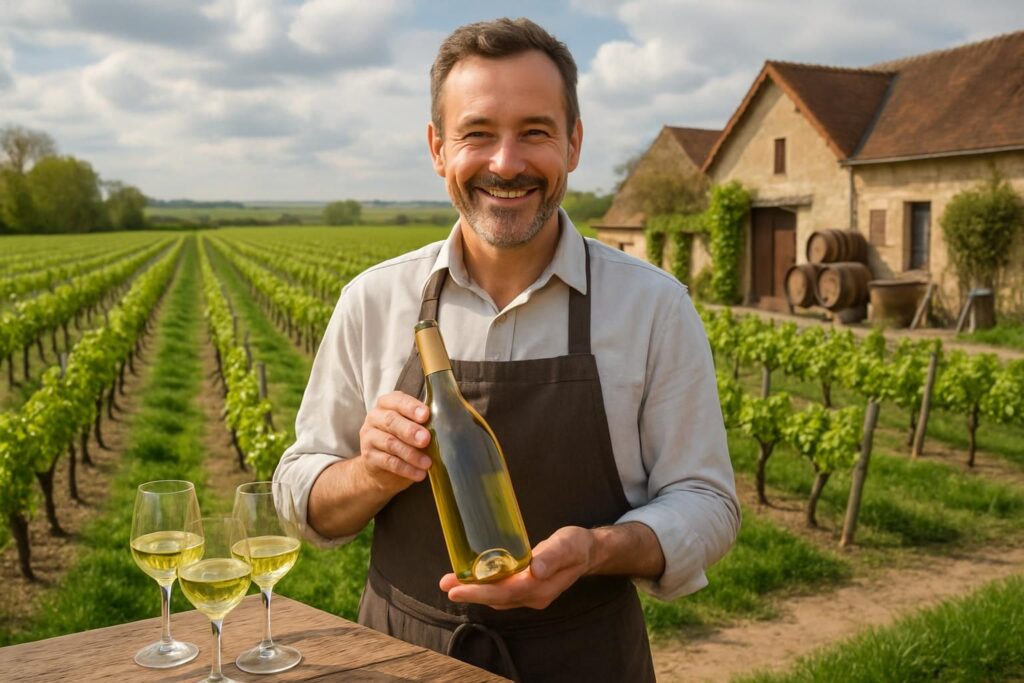
The world of Champagne is enriched with a new expression with the presentation of the first white wine cuvée from winemaker Maximilien Vignier. Known for his rigorous commitment to traditional viticulture and meticulousness during harvests, Maximilien embodies a new generation that combines respect for the terroir with oenological innovations. This initiative marks an important milestone for this family estate anchored in Marne, making Champagne shine far beyond local borders.
The relevance of this event is reinforced by the current context: Champagne viticulture, faced with environmental and economic challenges, sees the emergence of producers who value both the quality and the uniqueness of each grape variety and plot. The new white wine cuvée, made exclusively from Chardonnay, stands out for its exceptional tension and freshness that captivate both enthusiasts and experts. A clear intention from Maximilien Vignier to reinvent standards while paying tribute to his unique terroir.
On this momentum, this cuvée also testifies to the mastery of a rigorous production chain, from harvest to vinification, where each gesture is thought out to preserve the expression of flavors and the finesse of the wine. This launch, scheduled for 2026, positions itself as a milestone in the renown of white Champagne wines, bringing a new dimension to a vineyard already rich in traditions.
Maximilien Vignier: a winemaker committed to sustainable viticulture in Champagne
The profile of Maximilien Vignier perfectly illustrates the contemporary evolution of the winemaker profession in Champagne. With expertise gained over the years, he has adapted his practices to current constraints while maintaining the intrinsic quality of his terroirs. At the heart of his family estate, spread over nine hectares in the heart of the Marne, the viticulture now adopted favors a responsible approach to preserve the environment and local biodiversity.
The commitment to HVE 3 viticulture, a high environmental value label, attests to this ambition. Indeed, Maximilien Vignier makes it a point of honor to work the soil without excessive use of chemical phytosanitary products, promoting soil work, natural grassing, and biological control. This approach fosters harmony between the vine and its ecosystem, essential for sustainable balance and a greater expression of the characteristics of the Champagne terroir.
The meticulous control of the harvest also plays a crucial role in the white cuvée’s production process. The picking is done by hand, grape by grape, to ensure a qualitative selection and avoid any premature deterioration. This care allows harvesting perfectly ripe berries that will offer a high aromatic potential during vinification. The harvest traditionally takes place between late August and early September, thus optimizing freshness and acidity, essential elements for the liveliness sought in this first white wine cuvée.
This philosophy is in line with the major principles that guide Champagne viticulture: highlighting a unique terroir while respecting nature. Through this approach, Maximilien joins the ranks of innovative winemakers sensitive to climate issues and the growing demands of consumers seeking more authentic and origin-respecting wines. To deepen the overall vision of responsible practices in Champagne, it is interesting to consult the latest developments on organic winemakers in Champagne.
The birth of the first white wine cuvée: a craftsman’s work
The launch of the very first white wine cuvée from Maximilien Vignier’s estate represents a technical and narrative challenge. In Champagne, white wine, especially when produced from Chardonnay, requires particular attention at every stage, from pruning to vinification. This cuvée is based on a strictly parcel harvest, ensuring traceability and quality of the grapes to fully express its characteristic notes.
The choice of Chardonnay is explained by this grape variety’s ability to reveal aromatic subtleties and the typical minerality of Champagne terroirs. Vinification in temperature-controlled stainless steel tanks allows perfect control of fermentation, thus guaranteeing remarkable freshness and aromatic stability to the wine. The oenology applied here aims to highlight nuances of white flowers, citrus fruits, and white fruits, which correspond to the identity sought by Maximilien.
This white wine asserts itself by its balance between power and delicacy. Controlled aging, without extended passage in large oak vats or barrels, favors freshness and purity of aromas. Furthermore, the control of fermentation rates and the attention given to dosage at bottling reflect a precise desire to offer a product that will appeal to both connoisseurs and novices.
To understand the challenges related to controlled production in Champagne, it is useful to compare this approach with other exceptional white wines from varied terroirs, notably those from the Cramant region, famous for its minerality, like the terroir Champagne offered by the best Champagne winemakers. This parallel illustrates how the choice of terroir and oenological rigor can transform a simple white wine into a memorable sensory experience.
The harvest and picking: key moments in the success of white wine in Champagne
The success of the very first white wine cuvée from Maximilien Vignier largely depends on the exceptional quality of the harvest. In Champagne, the harvest is a foundational stage, especially for a Chardonnay-based white wine where freshness and acidity are the pillars of a balanced and vibrant product.
Every year, rigor is applied from the moment of flowering on the vine. Disease management, notably for Flavescence dorée, is crucial and subject to close monitoring on the estate. This bacterial disease can severely affect yields, even compromising entire plots if not effectively treated. Thanks to innovative practices, notably biological control and continuous monitoring, Maximilien Vignier succeeds in maintaining his plots in excellent condition despite climatic hazards. To explore this subject further, the reader can find detailed information on Flavescence dorée in Champagne, a concrete example of current sanitary challenges faced by winemakers.
The harvest moment, strictly manual, guarantees a qualitative selection. Hand-picking prevents damaged bunches and ensures only perfectly ripe berries reach the cellar. This method, although more labor-intensive, is essential for maintaining the integrity of the grapes and their aromatic potential.
Seasonal climate conditions strongly influence the nature of the harvest. For example, spring frost episodes can compromise bud growth, thus reducing the available grape volume. Frost effects are well known in the region, and some winemakers develop protection techniques such as water spraying or anti-frost candles to limit these losses. More relevant information on these phenomena is accessible via this dedicated article on frost and bud damage in Champagne.
The ability to anticipate and adjust the harvest schedule is a mark of professionalism that distinguishes exceptional winemakers like Maximilien Vignier. The fine management of harvest dates directly influences the final style and longevity of the white wine born from these meticulously selected grapes.
The place of the first white wine cuvée in the contemporary Champagne world
The release of this new cuvée places Maximilien Vignier in a dynamic of innovation while respecting tradition. The Champagne market now welcomes increasing demand for exceptional wines where the specificity of white wine, notably in brut or extra-brut, meets faithful success.
This market evolution leads producers to diversify their ranges and to highlight the potential of Champagne grape varieties in all their complexity. In this sense, Maximilien’s white wine cuvée fits within a trend marked by the search for elegant tension, assertive freshness, and a sober aromatic profile, triggering interest from sommeliers as well as enlightened amateurs.
The return to more respectful viticulture, mentioned earlier, also meets a demand from contemporary consumers seeking authenticity and natural products. This demand acts as a powerful driver for the estate, which has quickly established itself in prestigious circles, receiving good reviews both for the freshness of the color and the finesse of the bubbles.
The cuvée asserts its original characters: floral notes, citrus zest, and marked mineral finish, providing a unique tasting experience. This initial success naturally invites exploration of other varieties or blends in the years to come, under the watchful eye of a passionate oenologist who ensures the inimitable identity of Champagne is preserved.
In parallel, this evolution resonates with regional initiatives where the enhancement of Champagne terroirs becomes central, as evidenced by various reviews and reports on terroirs and Champagne wines, illustrating the strong link between wine quality and the geological uniqueness of the soil.
Oenological challenges during the elaboration of the first white wine cuvée
The elaboration of a first white wine cuvée in a region historically dedicated to Champagne effervescence is a delicate exercise requiring precise oenological know-how. Maximilien Vignier has met this challenge by integrating rigor and creativity at every phase of production.
One of the main challenges lies in the management of dosage and aging. Dosage, which directly influences the wine’s sweetness and structure, is expertly controlled to preserve the freshness and liveliness typical of white wine without masking its natural finesse. This delicacy also prevents excess sugars, thereby meeting the expectations of a clientele increasingly sensitive to gustatory nuances and balance.
Malolactic fermentations are avoided to preserve the typical acidity of Chardonnay, a guarantee of remarkable length on the palate. Selected yeasts favor slow and regular fermentation, ensuring aromatic complexity while maintaining beautiful minerality. This scientific and meticulous approach is supported by regular laboratory analyses, ensuring each batch meets the specific standards defined by Maximilien and his team.
Finally, vinification is often accompanied by sensory trials conducted in the cellar to adjust parameters in a constant quest for harmony. This careful work results in a final product that offers brilliant freshness, typical of great white Champagnes, with the added elegance and depth that establish the cuvée as a highlighted reference in specialized circuits.
- Rigorous hand selection of grapes to guarantee quality
- Avoidance of malolactic fermentations to preserve acidity
- Mastery of dosage for optimal balance between freshness and sweetness
- Highlighting the terroir through sustainable viticulture
- Precise control of fermentations and regular laboratory analyses
Who is Maximilien Vignier and what is his role in Champagne?
Maximilien Vignier is a winemaker established in Champagne, recognized for his respectful approach to the terroir and rigorous mastery of viticulture and oenology, notably with the release of his first white wine cuvée.
What are the main characteristics of the first white wine cuvée?
The cuvée is made from Chardonnay with a rigorous manual selection of grapes. It is distinguished by its freshness, minerality, and fine aromatic notes of citrus and white flowers.
How is sustainable viticulture integrated into Maximilien Vignier’s vineyard?
The estate practices HVE 3 viticulture, favors natural soil work, and limits chemical inputs to preserve biodiversity and fully express the Champagne terroir.
What are the main challenges faced during the elaboration of this cuvée?
Dosage control, prevention of malolactic fermentations, and manual harvest management are key steps to maintain the aromatic balance and quality of the white wine.
Where to learn more about viticultural challenges in Champagne?
Valuable resources are available on topics such as Flavescence dorée or frost protection, accessible on specialized sites such as champagne.news.