
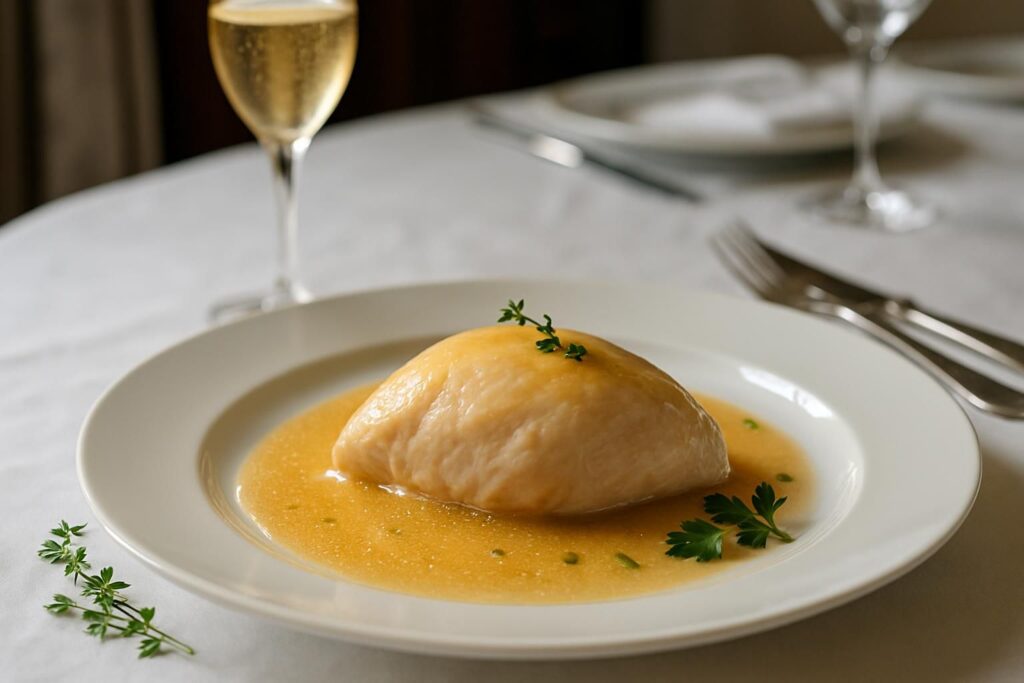
In the world of gastronomy, some preparations know how to transcend the simplicity of a dish to make it an exceptional moment. Champagne sauce stands out as one of those essential accompaniments that know how to finely and elegantly enhance white meats. By combining the sparkling elegance of champagne with the softness of delicate sauces, this refined recipe brings a festive and gourmet touch to any table. Perfect for enhancing the subtle taste of veal, free-range chicken, or pork tenderloin, it adapts with versatility to many culinary compositions. Its secret lies in a subtle balance between acidity, creaminess, and floral aromas, which illuminates every bite.
In 2026, this culinary tip continues to captivate both chefs and enlightened amateurs, offering a sophisticated alternative to heavier traditional sauces. Champagne, the guest of choice, reveals here another facet of its potential, far beyond its classic festive function. To get started with this perfect alliance or deepen your mastery, it is important to understand the nuances of this sauce as well as its ideal pairings.
The fundamentals of champagne sauce: preparation and essential nuances to enhance your white meats
The success of a champagne sauce relies on mastering its ingredients and preparation. The goal is to achieve a balance between the delicacy of champagne and the creaminess of the sauce, without masking the flavor of the accompanying white meats. For this, the choice of champagne is crucial. Rather than a brut that is too sharp or a vintage too complex, using a balanced, smooth champagne with fruity notes, such as those available in the affordable selections at Leclerc, proves judicious.
The classic technique begins with a delicate reduction of finely chopped shallots, gently confited in butter. Near the heat, they slowly absorb flavors without burning. Then, the gradual addition of champagne allows the aromas to concentrate while evaporating the alcohol, ensuring a sauce rich in taste but without bitterness. Finally, binding with a light cream brings that creaminess that caresses the palate.
Balance in proportions is crucial to avoid a sauce that is too acidic or, on the contrary, too rich, which would overpower the delicate flavors of white meats such as chicken or veal. It would be a culinary sin to denature a pork tenderloin with a sauce that is too heavy. For a perfect finish, a drizzle of lemon juice or a touch of fine mustard can underline freshness and strengthen the aromatic complexity of the preparation.
Like any refined recipe, customization according to taste remains possible, notably by adding fresh herbs such as tarragon or chives, which bring a subtle and natural fragrance. These alternatives ensure that champagne sauce is never monotonous but continually renewed in a gourmet cuisine that values mastered innovation.
Professional recipes and tips for a consistently successful champagne sauce
Beyond the basics, preparing a champagne sauce can be enriched with techniques and tips from haute gastronomy to achieve a perfect accompaniment, ready to elevate any white meat. Slow reduction of the liquid is a key step. Simmering on low heat, stirring regularly, gives the sauce an unparalleled body and concentration of flavors.
A common chef’s tip is to use a good culinary trick: replacing part of the butter with brown butter. This method adds extra depth to the sauce, infusing the preparation with slightly toasted notes that pair ideally with the effervescence of champagne. This tip is particularly effective for accompanying festive dishes on special occasions where showcasing the dish is paramount.
The fresh cream used should be of good quality, ideally light, so as not to weigh down the final texture. It is also possible to choose a plant-based cream for a lighter and vegan alternative. Furthermore, a pinch of white pepper or freshly crushed green peppercorns brings aromatic freshness and a light spice that enhances the delicate flavor of the sauce without overpowering it.
For this refined recipe to succeed every time, here is a list of key tips:
- Choose a balanced champagne, fruity enough to bring sweetness and freshness.
- Gently confit the shallots to avoid a bitter taste.
- Gradually reduce the champagne to concentrate aromas without burning the sauce.
- Incorporate a quality creamy binding, but without excess.
- Season just to taste and offer a personalized touch with fine herbs.
- Let the sauce rest a few minutes before serving so it gains creaminess and harmony.
Adopting these elements ensures that each creation is a success and that using champagne is not a simple gimmick but a genuine driver of gustatory pleasure. For inspirations in line with this spirit, regular exploration of new champagnes via the dedicated offers at Leclerc allows diversifying tastes with a contemporary and accessible selection.
This recipe and its tips also illustrate how gourmet cuisine can combine sophistication and simplicity at the same time.
Food and wine pairings: choosing the ideal champagne to accompany your white meats and their sauce
In a professional approach, one of the big questions remains the choice of champagne for both the creation of the sauce and the tasting moment. The relationship between the wine used in the sauce and that served at the table must be carefully thought out so as not to clash on the palate. When the champagne used in the champagne sauce has floral notes and moderate acidity, it perfectly reveals the texture and delicacy of the white meats.
Light brut or demi-sec style champagnes are often perfect partners. They avoid heaviness and offer a freshness sensation in the mouth that enlivens the dish. It then becomes possible to select bottles at accessible prices, without compromising gustatory quality, especially by monitoring current promotions such as those offered in the Leclerc selection of soft champagnes or during sales.
For the pairing to be perfect, some criteria must be taken into account:
- The champagne blend: favor those made with a majority of Pinot Meunier or Chardonnay for finesse.
- Freshness and liveliness, to prevent the sauce from seeming too heavy.
- Sweetness on the palate: too dry a champagne could dry out the whole, whereas a slight amount of sugar pleasantly balances the sauce.
At the table, by opting for the same champagne as an accompaniment, the interaction of aromas is enhanced, creating a true symbiosis between the drink and the cuisine. For epicureans wishing to explore other renowned houses, the cuvées available online such as Ruinart Brut offer an elegant and complex signature, perfectly suited to delicate dishes.
Variants and adaptations of champagne sauce according to white meats and occasions
The champagne sauce is not fixed and adapts according to the white meats used as well as appreciated occasions. For a festive capon or roasted guinea fowl, the sauce can be enriched with a touch of poultry stock to bring more depth. Conversely, for a white fish fillet, the sauce can be simplified with a shorter reduction to preserve the lightness of the dish.
The addition of specific ingredients also allows personalizing the sauce. For example, using seasonal chopped mushrooms in the sauce creates an earthy and creamy alliance, making it more robust. For a summer meal, integrating a touch of citrus or a lime zest can offer a welcome freshness, enhancing the finesse and liveliness of the champagne.
Occasions for serving champagne sauce are varied. Whether for a Sunday lunch, a romantic dinner, or a celebratory meal, its festive and elegant character makes it a preferred choice. And if indulgence guides you, the sauce can also accompany delicate vegetables such as asparagus or artichokes, thus enhancing every element of the dish.
Here are some combination ideas that magnify white meats with this sauce:
- Roast free-range chicken glazed with champagne sauce and fine herbs.
- Veal medallions, accompanied by a champagne sauce with brown butter.
- Pan-fried pork tenderloin with a champagne reduction garnished with mushrooms.
- Oven-roasted guinea fowl enhanced with a hint of mild mustard in the sauce.
- Festive capon served with champagne sauce and poultry stock.
These variants illustrate the versatility of the sauce, capable of fitting elegantly into a wide variety of culinary contexts. For those who want to experiment, it is possible to discover or rediscover the recipe by following especially the recommendations from current wine and champagne fairs that highlight the best combinations of the moment.
The benefits and cultural dimension of champagne sauce in contemporary French gastronomy
Champagne sauce represents much more than a simple accompaniment. It symbolizes the meeting between tradition and modernity in French gastronomy, a fusion between ancestral know-how and delicate culinary innovation. For several decades, its use has been democratized, while preserving an aura of prestige and elegance often reserved for festive dishes.
In a world where gustatory demands continuously evolve, champagne sauce confirms its place as a true solution to enhance the taste of white meats without heaviness. It illustrates a contemporary approach favoring light, refined flavors, granting a subtle aromatic range that seduces by its complexity and purity.
This sauce perfectly embodies the philosophy of a gourmet and responsible cuisine, where each ingredient is carefully selected to magnify the main product without overpowering it. The attention given to the choice of champagne also reflects the importance of a terroir recognized worldwide. In 2026, local gastronomy thus retains a strong cultural identity, notably with events and initiatives aimed at making champagne discovered in all its forms, both in beverages and culinary arts.
Finally, beyond its composition, champagne sauce embodies a convivial spirit and an invitation to celebration. Served during a family meal or a reception, it produces a surprise effect that delights all guests, often accompanied by a speech about the quality of the champagne used. Its discreet but undeniable prestige makes it a key to opening the door to a high-flavor and emotional culinary experience.
Which white meat pairs best with champagne sauce?
Meats such as free-range chicken, veal, pork tenderloin, or guinea fowl are particularly well-suited to the sweetness and finesse of a champagne sauce, thanks to their tender texture and delicate flavor.
Can champagne sauce be prepared without alcohol?
Yes, it is possible to use sparkling grape juice or a flavored broth to replace champagne while maintaining a flavorful base and a creaminess similar to the traditional recipe.
How to avoid champagne sauce being too acidic?
The key is to properly reduce the champagne to evaporate the alcohol and concentrate the aromas, then balance it with light cream and possibly a touch of brown butter to soften the whole.
Which champagnes to choose for making champagne sauce?
Balanced and fruity champagnes, such as those offered in the current promotions at Leclerc, are ideal. Light brut or demi-sec champagnes are preferred for a harmonious and refined sauce.
Can champagne sauce be stored?
The sauce can be prepared in advance and stored in the refrigerator for a maximum of 24 hours. To reheat, it should be heated gently over very low heat to preserve its texture and aromas.